Anodizing, also known as anodic oxidation, is an electrochemical process that converts the surface layer of aluminum into an aluminum oxide layer, which simultaneously serves protective, decorative and functional purposes.
This process improves resistance to corrosion and wear, while also achieving a more aesthetically pleasing surface appearance.
Anodizing, also known as anodic oxidation, is an electrochemical process that converts the surface layer of aluminum into an aluminum oxide layer, which simultaneously serves protective, decorative and functional purposes.
This process improves resistance to corrosion and wear, while also achieving a more aesthetically pleasing surface appearance.
Advantages of anodized over non-anodized aluminum
Corrosion protection
Electrical insulation
Increased hardness
Wear resistance
UV radiation protection
Aesthetic appeal
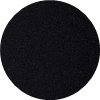
Our anodizing color options
The exact shade of color may vary depending on the aluminum alloy.
Natural gray
Red
Blue
Black
Natural gray
Red
Blue
Black
Customize the surface finish of your anodized aluminum
Anodized aluminum can be tailored to achieve a wide range of surface appearances, from texture and uniformity
to shine, depending on the preparation process.
Surface preparation can be mechanical, chemical, or a combination of both, allowing you to choose
the perfect finish that meets your aesthetic and functional needs.
Anodized aluminum can be tailored to achieve a wide range of surface appearances, from texture and uniformity to shine, depending on the preparation process.
Surface preparation can be mechanical, chemical, or a combination of both, allowing you to choose the perfect finish that meets your aesthetic and functional needs.
Mechanical surface preparation
Shot blasting – A process using fine stainless steel shot to smooth out surface imperfections, creating a beautiful, uniform texture.
Hemijska priprema površine
Etching – A chemical treatment that gives the aluminum surface a distinct, matte effect.
Satin finishing – A refined form of etching that not only reduces surface irregularities but also delivers a smooth, satin-like finish.
Chemical polishing – This process removes microscopic imperfections, resulting in a shiny, ultra-smooth surface.
0: etching
1: satin
finishing
2: etching &
chemical polishing
3: shot blasting
& etching
4: shot blasting
& satin finishing
5: shot blasting,
etching &
chemical polishing
The listed treatments can be applied individually or in combination, achieving different results.
The final appearance of the surface depends on the chosen treatments and the characteristics of the aluminum alloy.
The displayed images are for illustrative purposes. Clicking on the image opens an enlarged view.
Mechanical surface preparation
Shot blasting – A process using fine stainless steel shot to smooth out surface imperfections, creating a beautiful, uniform texture.
Chemical Surface Preparation
Etching – A chemical treatment that gives the aluminum surface a distinct, matte effect.
Satin finishing – A refined form of etching that not only reduces surface irregularities but also delivers a smooth, satin-like finish.
Chemical polishing – This process removes microscopic imperfections, resulting in a shiny, ultra-smooth surface.
The listed treatments can be applied individually or in combination, achieving different results. The final appearance of the surface depends on the chosen treatments and the characteristics of the aluminum alloy. The displayed images are for illustrative purposes. Clicking on the image opens an enlarged view.
Why choose us?
Why choose us?
State-of-the-art anodizing technology
Specialized in high-quality anodizing of small parts
Top-tier chemicals for superior results
Precise micron thickness measurement
Quality control with light microscopes and magnifying lenses
Maximum part dimensions: 800 x 500 x 350 mm
Maximum part dimensions: 800 x 500 x 350 mm
Send us an anodizing inquiry
Send us an inquiry and we will get back to you shortly.
The aluminum oxide is an electrochemical process which transforms the aluminum layer into a layer of aluminum oxide, which at the same time has a protective, decorative and functional role. Anodic protection of aluminum and its alloys ensures corrosion protection, electrical insulation and increases wear resistance.
Aluminum naturally has a thin layer (about 1 micron) of aluminum oxide, which protects it from further oxidation. Such a thin layer is not sufficiently thick to represent a good protection of the end product or profile of aluminum. Therefore, the aluminum parts and various profiles are subjected to artificial oxidation in which the thickness of the protective layer increases to 12 to 30 microns.
The aluminum oxide is done in specially designed tubs that are filled with chemicals and arranged side by side in accordance with the order in this technological process.
We offer anodizing in natural aluminum color, black, red and blue.
Processes are performed in strictly controlled production and laboratory conditions in accordance with the latest standards.
How to design aluminum parts for optimal anodizing?
To ensure the best anodizing results, parts should include technological holes and threads for secure mounting. We recommend using M4, M5, or M6 threads, with holes ranging from Ø4mm to Ø10mm and a minimum depth of 5mm. It is also important that parts to be anodized do not contain any embedded components like helicoils, screws, or bearings. Only individual parts can be anodized; assemblies cannot.
Which aluminum alloys are best for anodizing?
The best alloys for anodizing include EN AW-Al6060 (AlMgSi), EN AW-Al6063 (AlMgSi0.5) and AW-6082 (AlMgSi1Mn). For a more detailed list, please refer to our anodizing fill-in form.
Other aluminum alloys can be anodized successfully, though the repeatability of results may vary.
How thick is the anodized layer?
Typically, the anodized layer ranges from 10 to 25 microns, depending on the process parameters.
Why is it important to provide a technical drawing for anodizing?
For an accurate quote, we need details such as part dimensions, total surface area, tolerances and the position and size of holes or threads for securing the part. A technical drawing helps us ensure the best possible results.
What are the maximum part dimensions Telix can anodize?
We can anodize parts up to 800 x 500 x 350 mm.
Which anodizing colors does Telix offer?
We offer anodizing in the following colors: natural aluminum (natural gray), black, red and blue.
How is anodizing pricing determined?
Pricing depends on factors such as surface preparation, anodizing color, part size, shape, etc. For a personalized quote, contact us or fill out our inquiry form.
Can a previously anodized part be de-anodized and re-anodized?
Yes, we can strip the existing anodized layer and re-anodize the part. Please note that dimensional tolerances should be considered.
Can laser engraving be done on anodized parts?
Yes, we offer laser engraving services. Learn more about this service here.
Why do marks or stains sometimes appear after anodizing?
Several factors can cause imperfections, with material inconsistency being the most common cause. For more details, see question “Which aluminum alloys are best for anodizing?”.
How should anodized parts be maintained?
Anodized parts should be cleaned with water or mild cleaning agents. Avoid using strongly alkaline (basic) cleaners. Hot water can be used without damaging the anodized layer, as long as it is not combined with aggressive degreasers.
Can aluminum sheets be anodized?
Yes, sheets can be anodized, but surface homogeneity may vary.
Does Telix offer hard anodizing?
No, we specialize in soft anodizing of aluminum only.